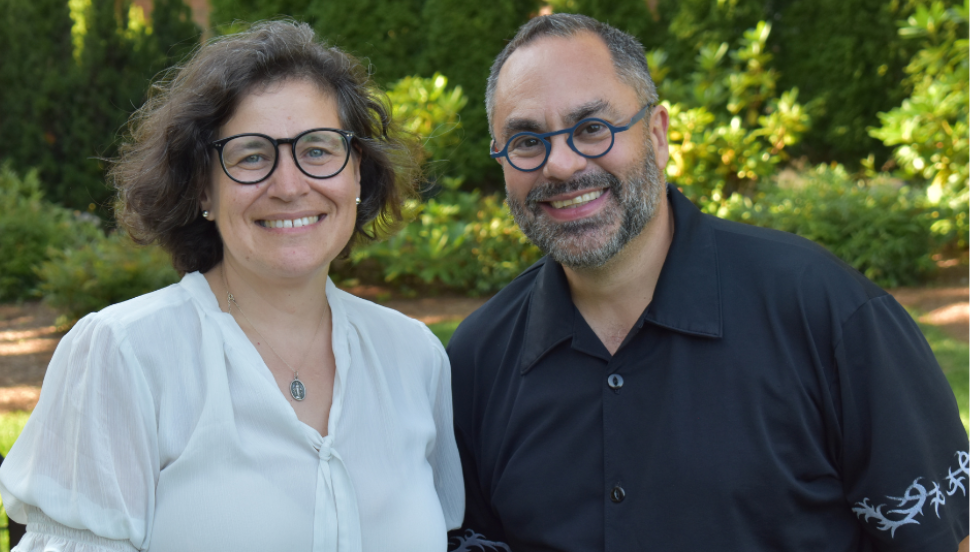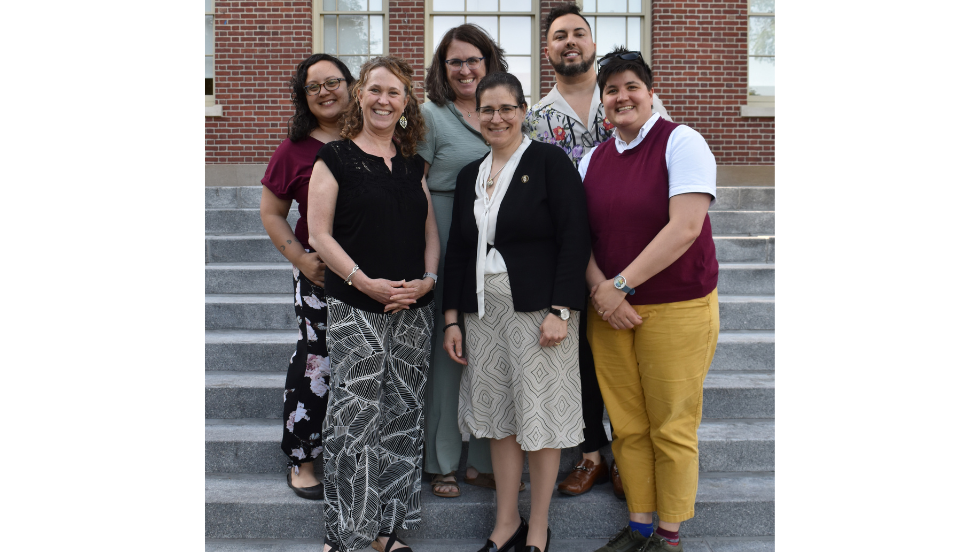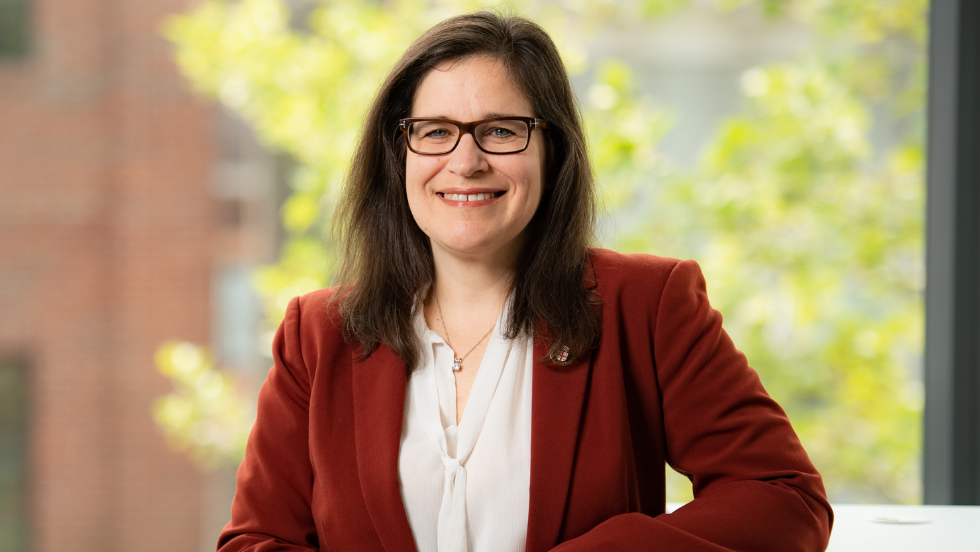
After nine cohorts, hundreds of hours of residency site visits, and a foundational transformation of the Master of Arts in Teaching (MAT) Science program, Professor Diane Silva Pimentel is preparing for her next chapter.
If you ask her about the impact she has left on the Brown University Department of Education, she will redirect the praise to her colleagues, her local school partners, and her students. But as a long-time leader, serving as the lead for the MAT Science cohort and previously as the Director of the MAT program for six years, Diane has been a steady anchor for Brown’s MAT students.
We sat down with Diane to reflect on her journey, her evolving philosophy on teaching, and the inspiring future of the MAT Science cohort.
Redesigning the Blueprint for Science Education
When Diane first arrived at Brown, teacher preparation nationwide leaned heavily on a traditional model: if a candidate possessed a strong enough disciplinary background in science, a few fundamental instructional methods would carry them through.
Diane knew that to serve the diverse needs of modern classrooms, the program needed to evolve.
"My goal was to collaborate with colleagues, alumni, students, mentor teachers, and administrators from our local schools to envision the possibilities," Diane reflects.
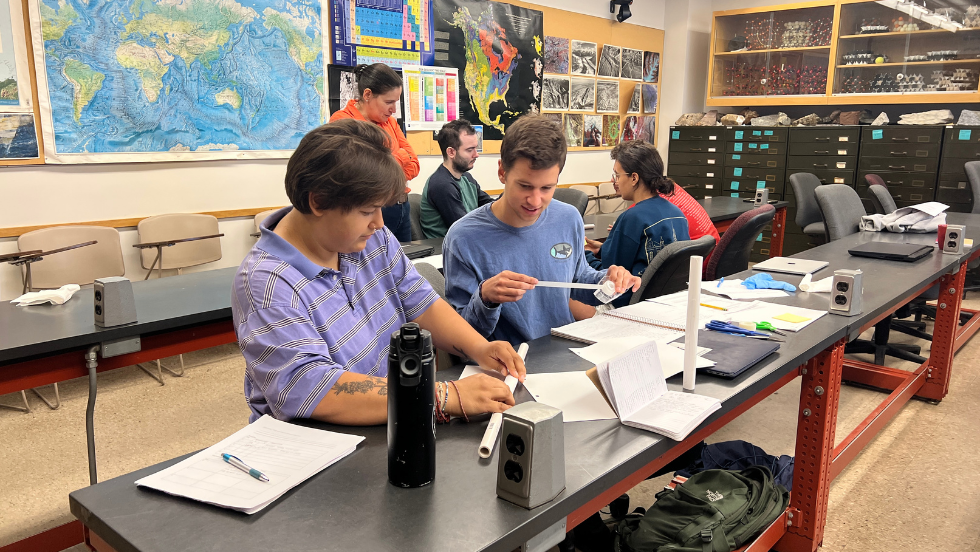
Thanks to that collaborative vision, the MAT program shifted into a rigorous, immersive residency model. Today, under the leadership of Director Katie Rieser, the program stands as a beacon for cultivating culturally responsive teachers. "The focus now is to prepare secondary teachers in strong partnership with our local public schools, serving students with diverse backgrounds in an asset-based way," Diane says. “I believe we have made great strides in this goal.”