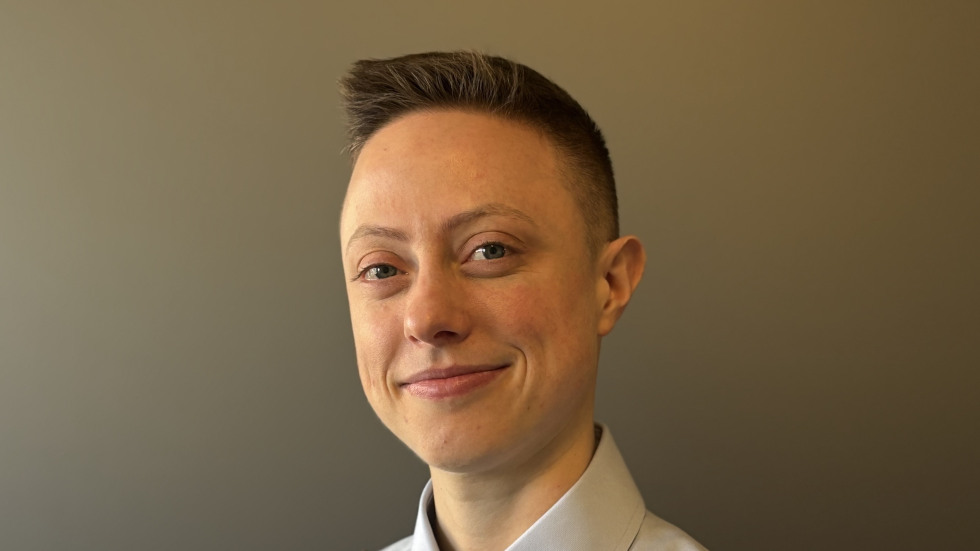
Name: Cody Pietro
Hometown: Sutton, MA
Program: Master of Arts in Teaching
Education: Brown University, A.B. in Education History/Policy (2015)
Current Position: Founder of CreatED Consulting, LLC (Brooklyn, NY)
Looking back, what was the most memorable or impactful part of your experience in the MAT program?
Getting to work with mentor teachers throughout the experience, both during Brown Summer High School and the student teaching semester, was invaluable. Outside of the MAT program, I have never experienced such a high concentration of individualized support and feedback. The required observation hours were also a gift in terms of seeing a vast array of teaching approaches and possible classroom activities while I was in the right mindset to absorb it all. Once I was in the classroom full-time, I was lucky to sit in on a single class during a school year.
Can you share a specific moment, project, or lesson from the program that has stuck with you throughout your career?
I vividly remember a feedback discussion after a Brown Summer High School class in which my mentor teacher critiqued the location of my writing on the board, and how excited I was to implement that feedback. The specificity of the comments helped me hone instincts for the basics in the classroom, and I never forgot how big of a difference tweaking those basics can make.
Another moment that sticks out to me is from my student teaching placement. I ran an activity on U.S. covert action in which I put sources in big envelopes with “top secret” written on them for students to open. My mentor teacher was floored by how excited the kids got about the envelopes, and proceeded to put anything he could in envelopes for them for the rest of the semester. The memory reminds me of how much simple changes that appear to have no innate educational value on the surface can make a big impact on student engagement.
What have you been doing professionally since graduating, and how has your career evolved over time?
After I graduated, I was in the classroom teaching middle and high school social studies through 2020. At that point, I transitioned to freelance work as a curriculum writer, and I wrote both for organizations seeking to offer educational content based on their work and for public school districts like Denver and NYC. I also spent a couple of years as an instructional coach and professional development facilitator, traveling around NYC to different schools and working directly with teachers.
In April of 2024, I started my own business, CreatED, which consolidated all the different types of work I was doing under one umbrella. The big shift was that I got to focus on educational game development as well, which was a passion of mine in the classroom and is something that I work into all the curricula I write.
In December 2024, I published my first standalone game, an empathy-building civics board game on the U.S. immigration system targeted at birthright and heritage U.S. citizens. “So You Want to Be an American?” has now won a gold medal in the International Serious Play Awards and 1st place in the International Educational Games Competition, as well as being selected as a finalist in the Gee! Learning Game Awards. It’s been a very exciting whirlwind, and I’m working on finding a larger publisher, someone interested in conducting research on the impact of the game, and a means of getting it into as many schools as possible.
Which skills or lessons from the MAT program have been most valuable to you in your career, and how have you applied them?
I took a class during my MAT year on the history of American foreign intervention, and I have worked elements of that content into every U.S. history and civics class I have taught and curriculum I have written.
Learning how to give and receive effective observation feedback served me well in teaching and later as an instructional coach. It became second nature, and now even when I’m writing curriculum, I have that voice in my head helping me make adjustments before my work gets in front of teachers and students.
The MAT program’s focus on building relationships with students right from the start has also shaped my career. Students and their sense of safety, curiosity, and willingness to approach challenge have always been the focus of my work, as a teacher, as a curriculum writer, as an instructional coach, and as a game designer.
What changes have you seen in the field of education since you graduated, and how do you think the MAT program prepared you to adapt?
I have witnessed massive swings in policy on the federal and local scale, particularly recently. There is a high degree of scrutiny on history education in this country at the moment, to the degree that when I write curriculum, lawyers conduct language checks to strip out any potentially incendiary vocabulary and content (and by incendiary, I mean words like “imperialism” and questions that ask students to make connections between the past and today). People are afraid, and making decisions based on that fear.
For better or for worse, though, things have always been slow to change on the ground in the classroom. Policy changes so much, so often, that teachers mostly ride it out and continue to do what they do. Where I have seen more classroom shifts has been on the school policy level. Basically, how each school decides to implement policies (or not) dictates what trickles down into the classroom. In NYC, where I live, that has most recently included new, mandated literacy and math curricula (with implementation ranging from 0-100% depending on the school); a state ban on cell phones; and a larger shift away from tech and back to analog because of AI concerns.
From a cultural rather than policy standpoint, I have seen more teachers and administrators trying to create student-driven classrooms high in engagement. The MAT program placed us at the front of that wave, and made me confident in my ability to serve students and create things specifically for them. The program helped us focus always on the kids in front of us and do our best for them, in spite of any forces working against us. That’s a tough road to be on sometimes, but it also offers a clarity of purpose that is stabilizing in the face of this kind of turmoil.